My First Year in BACHELORE GEII
Introduction to the GEII Program
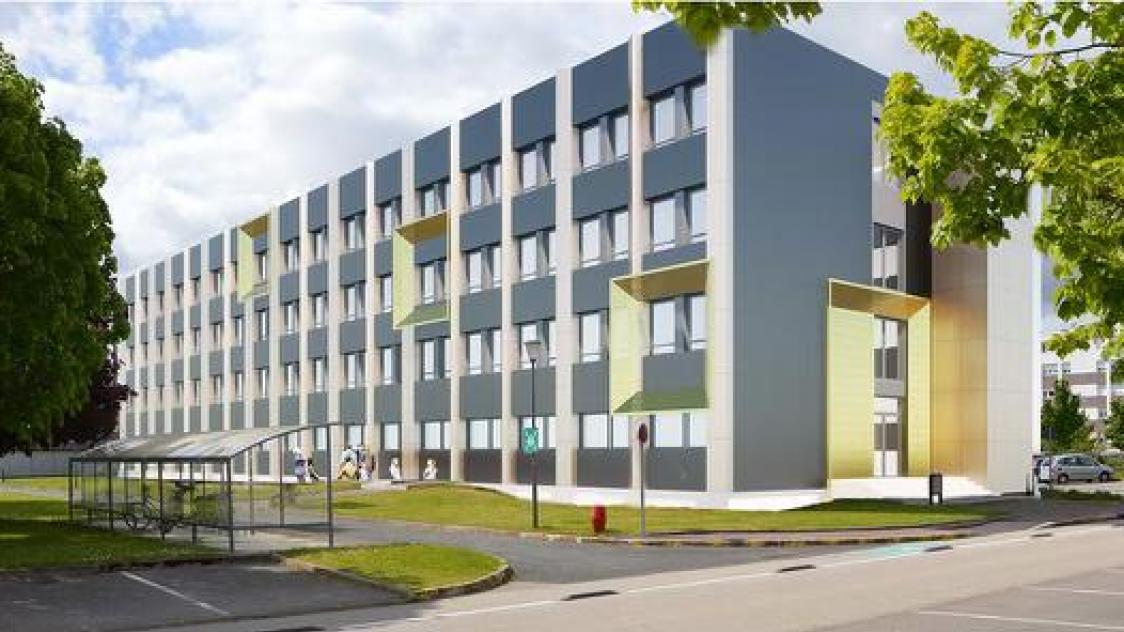
In 2022, after obtaining my high school diploma in Morocco, I applied to several schools and programs both in Morocco and France. One of the programs was the “Bachelor Universitaire Technologique” (University Bachelor of Technology), and just a few days before my baccalaureate exams, I received an invitation for an oral interview with a professor from the Bachelor’s in Electrical Engineering and Industrial Computing (GEII) program. The professor, who was French, was impressed by my previous experience in electronics and technology, mentioning how many first-year students usually start with little to no prior knowledge in the field. The conversation flowed easily, almost like talking to a friend, as we exchanged ideas about the field, and he explained their program in detail. Shortly after passing my high school exams with excellent marks, I sent in my transcripts, and as I expected, a few days later, I received my acceptance letter into the BUT Génie Électrique et Informatique Industrielle (Electrical Engineering and Industrial Computing) program at the University of Troyes, France.
First Day in the Labs
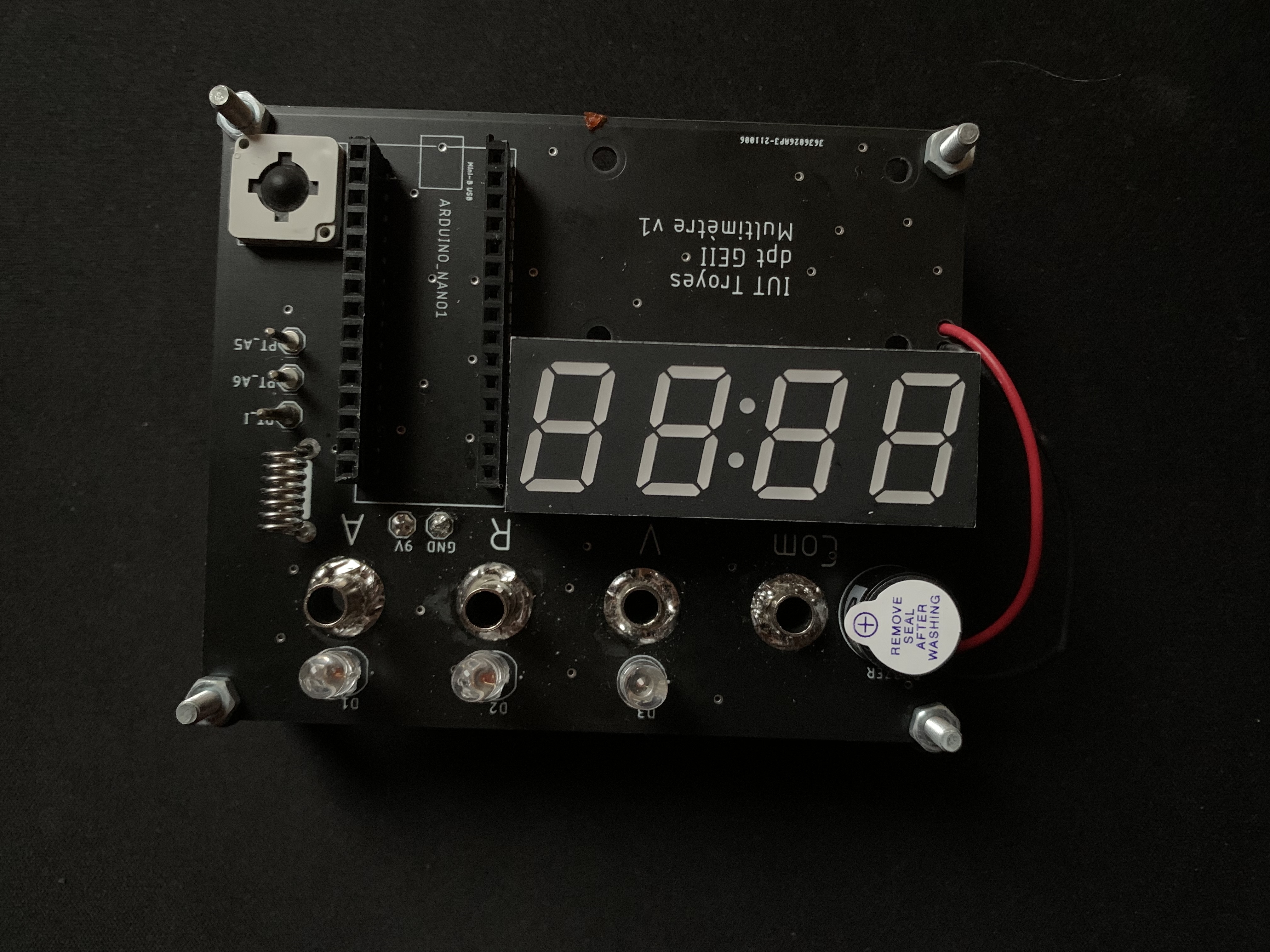
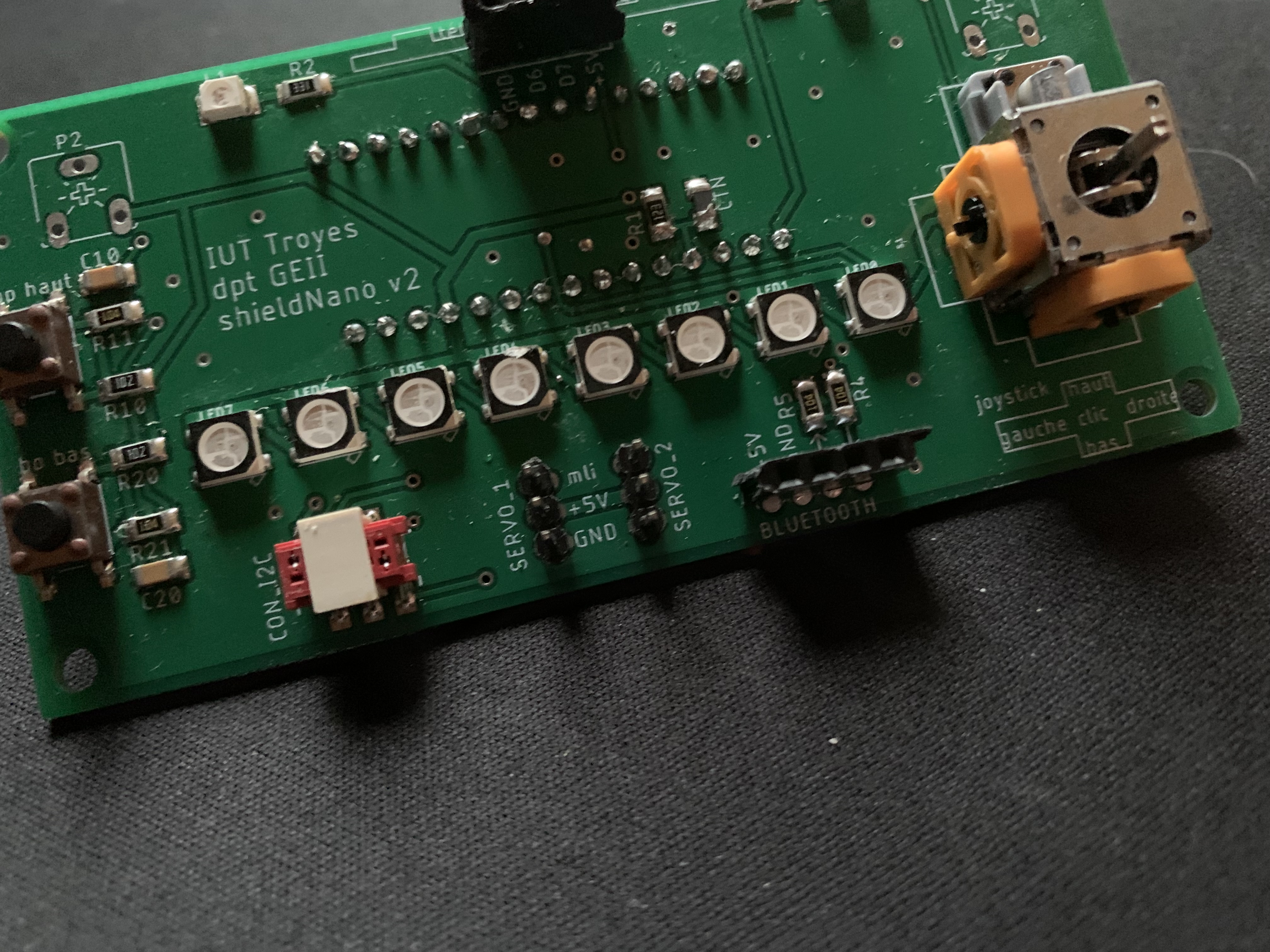
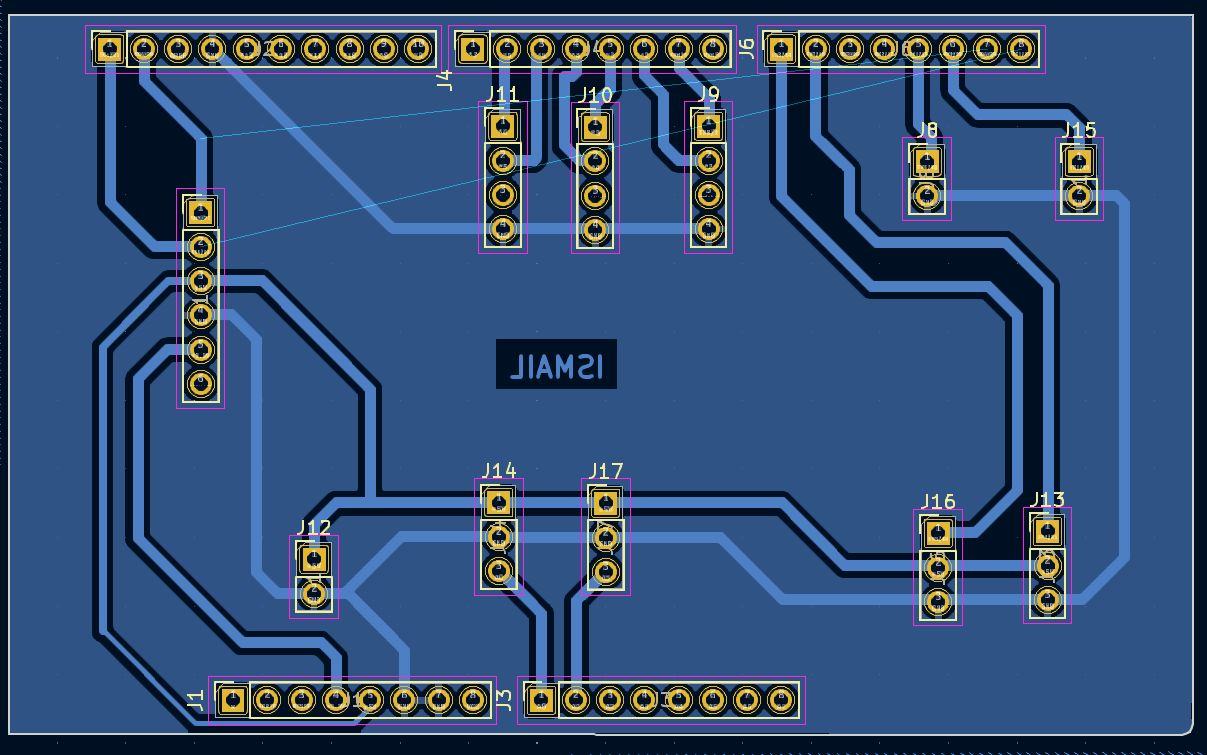
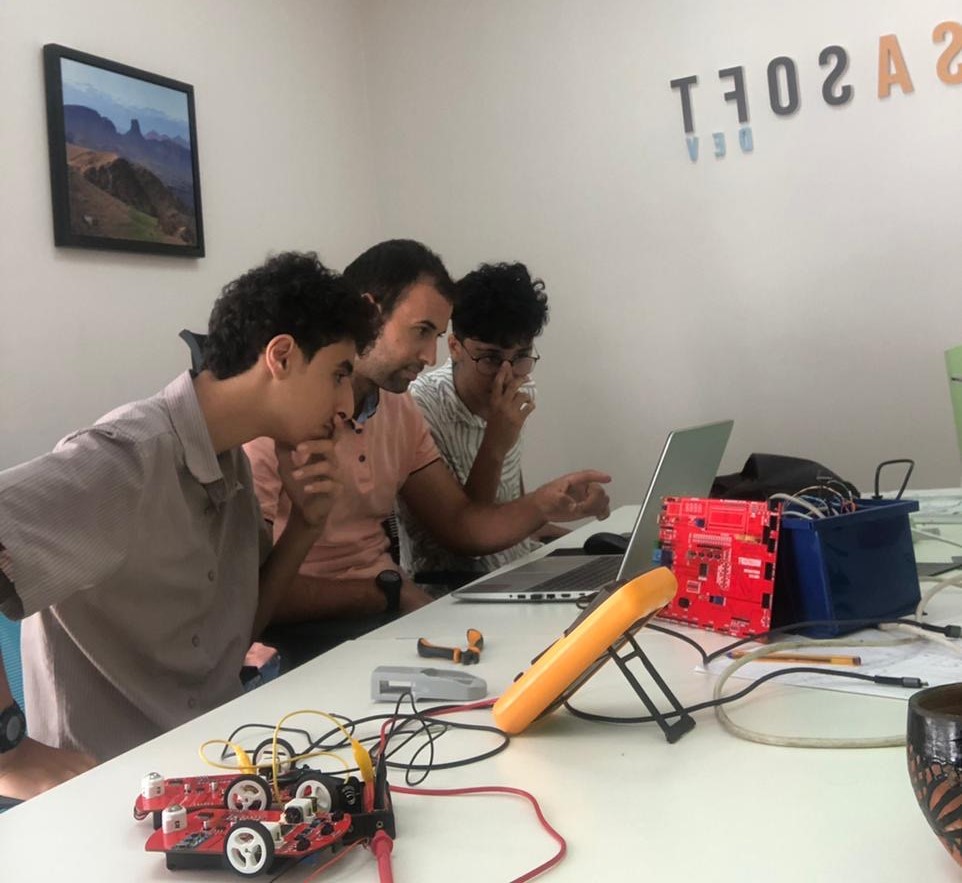
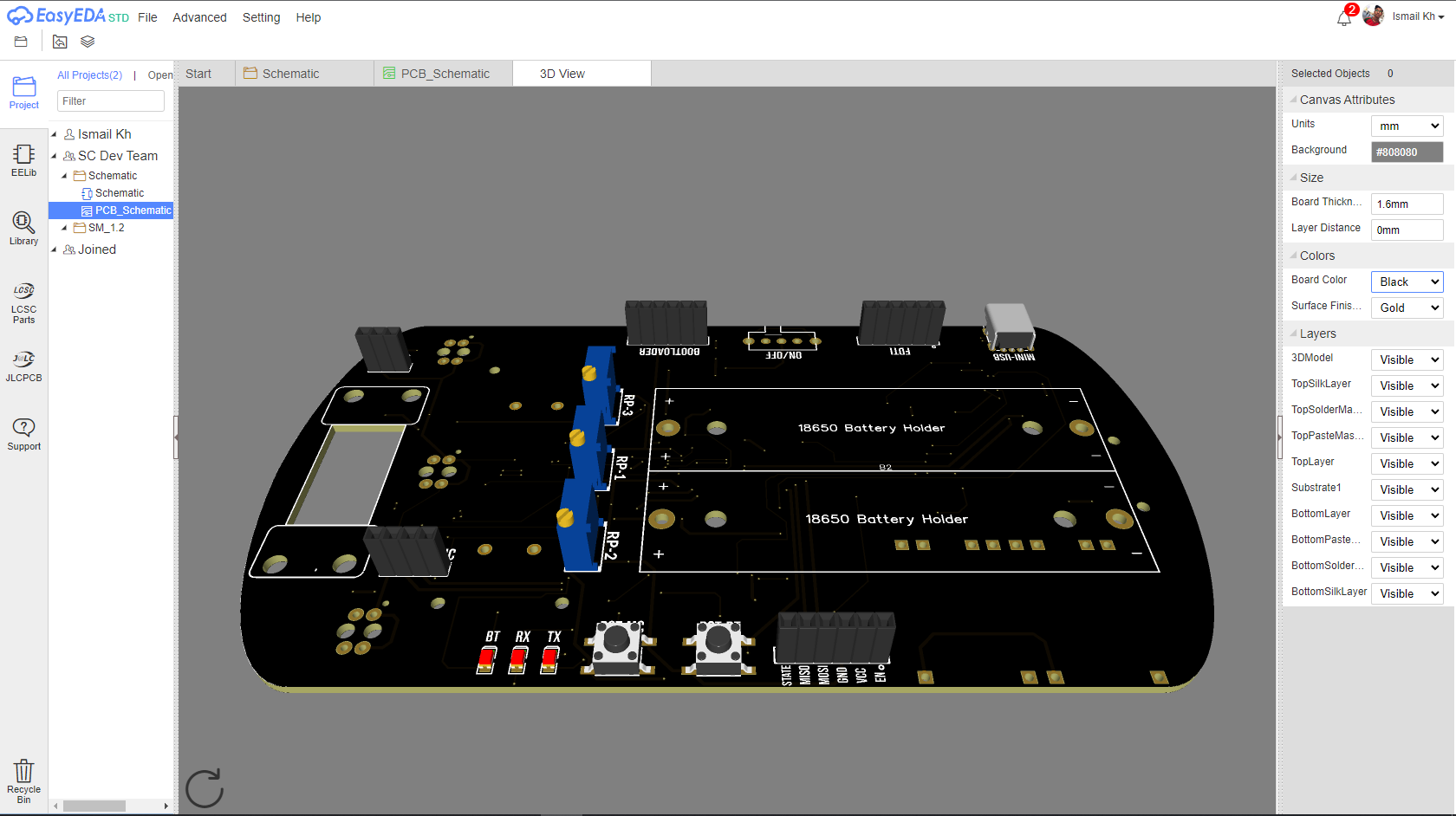
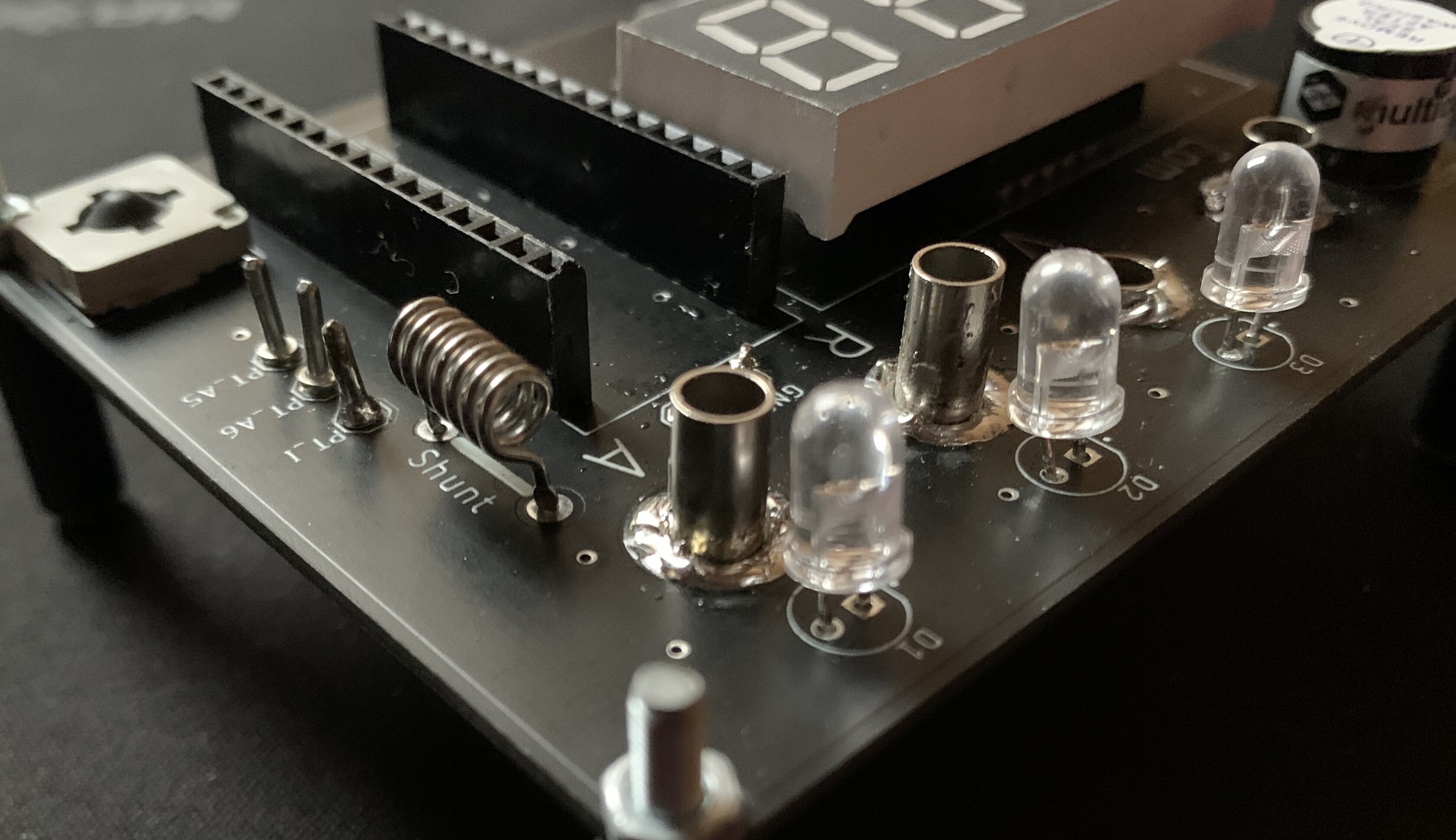
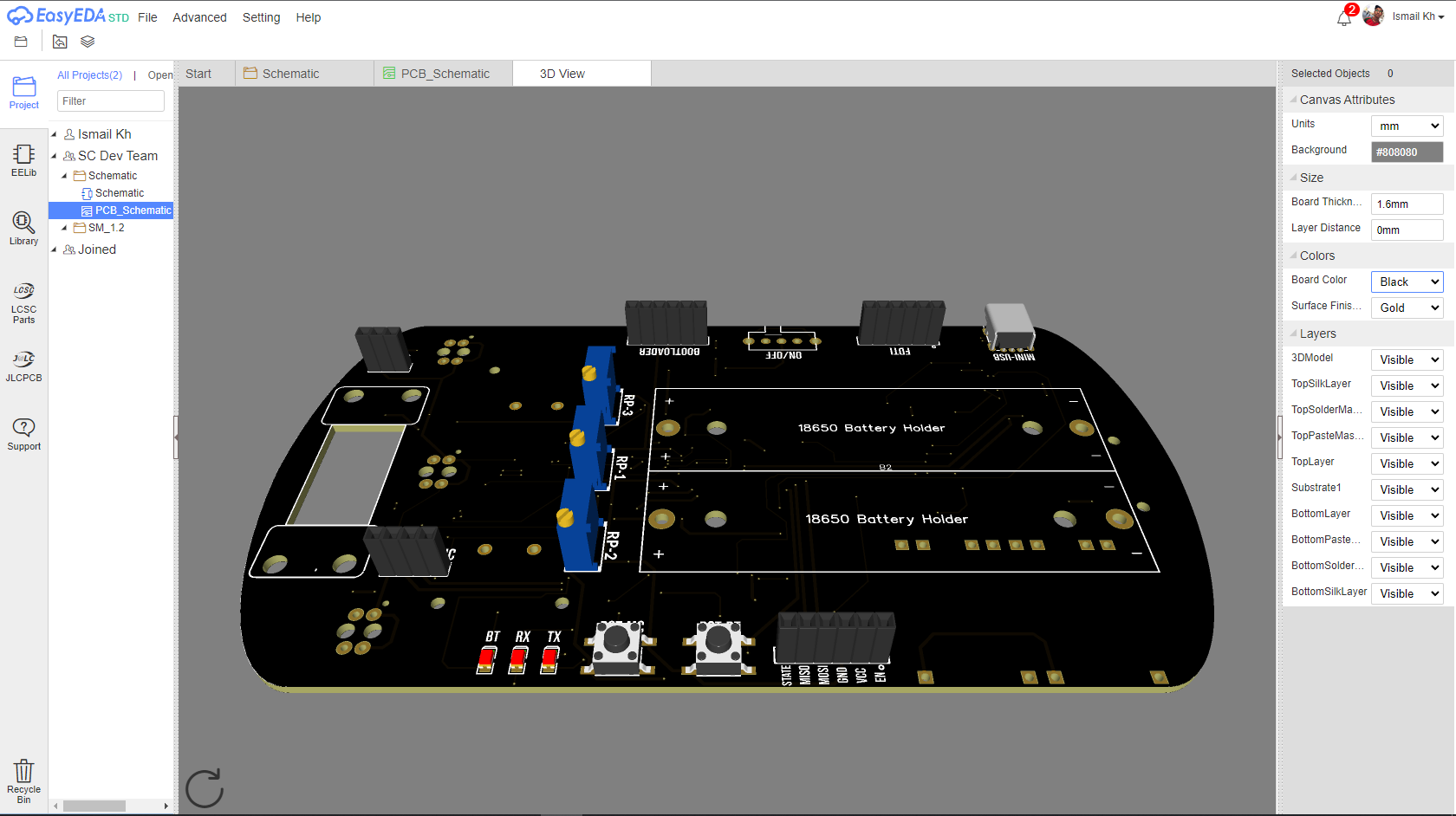
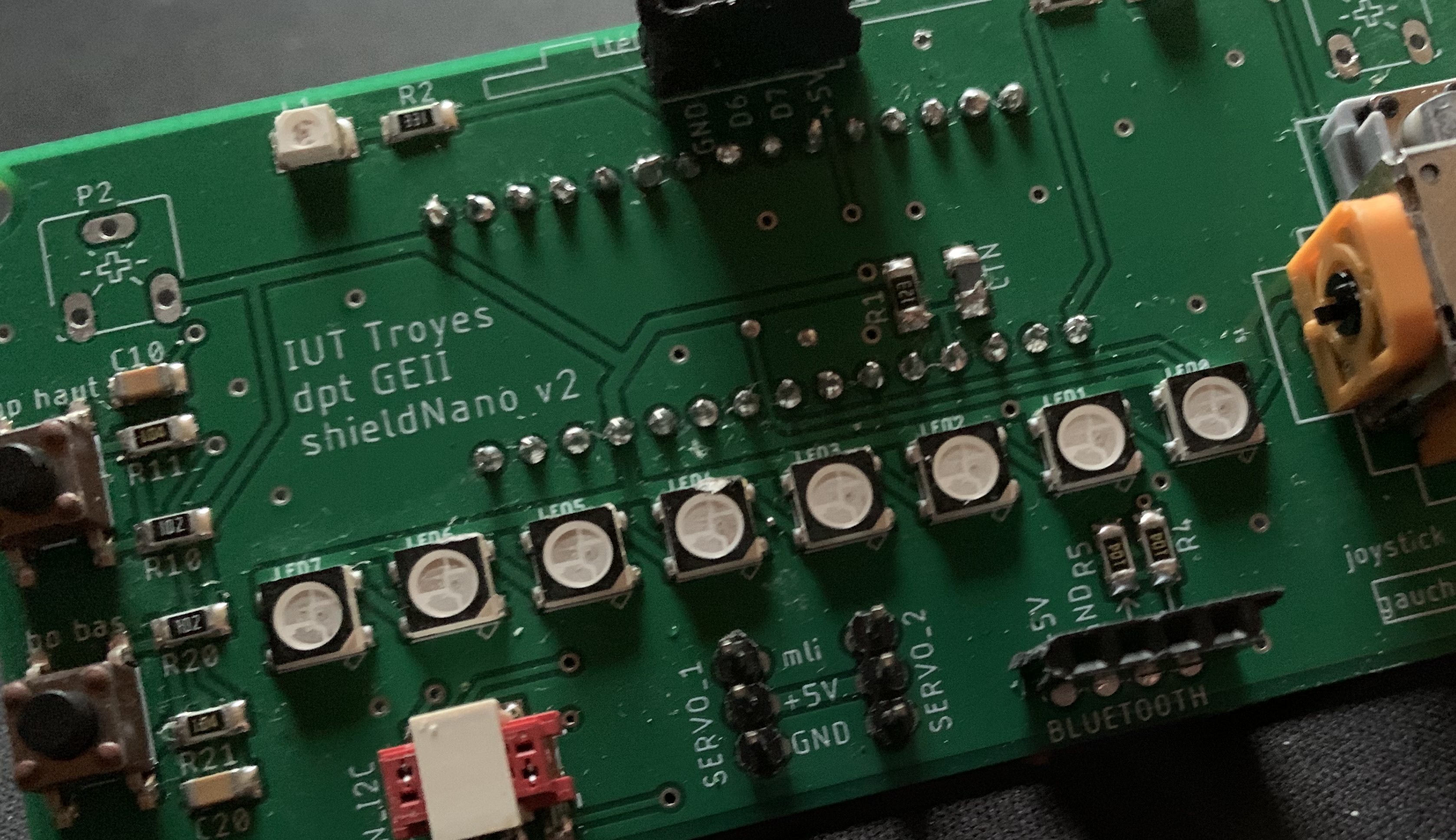
Moving to France alone to pursue my studies was a significant change, but the excitement overshadowed any nervousness. I remember my first day vividly—after a warm welcome from the university director, we went straight into the labs. For someone like me, who always enjoyed hands-on work more than theory, this was heaven. We began working on a PCB (Printed Circuit Board) right away, learning how to solder components, each student creating their own board. This PCB had ultrasonic pins, buttons, joysticks, LEDs, and more. It was a versatile tool that we would use throughout the semester to grasp the basics of electronics and programming. From that moment, I knew I had made the right choice, as the practical approach to learning was exactly what I had been seeking.
Electronics: Circuits and Components
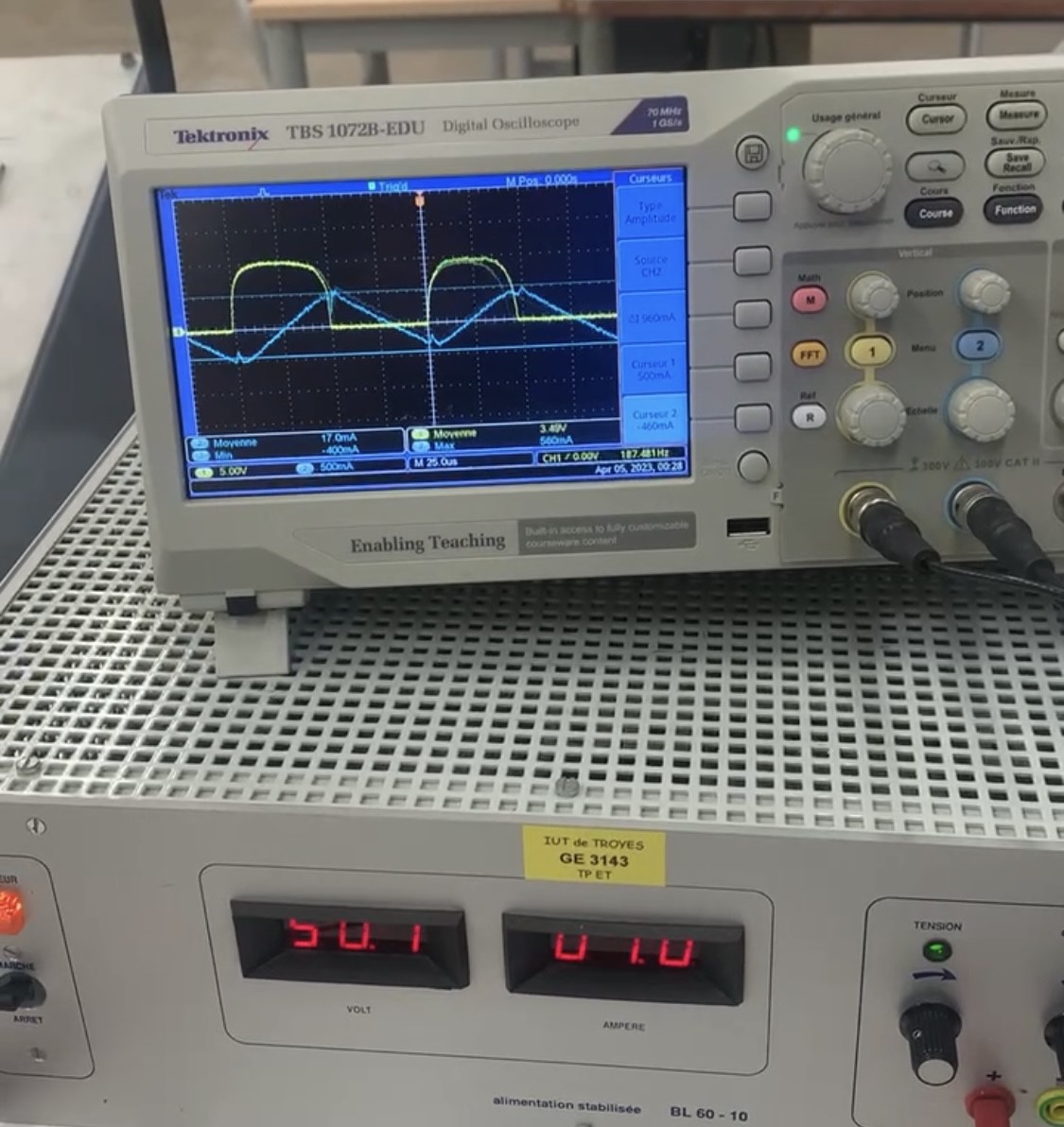
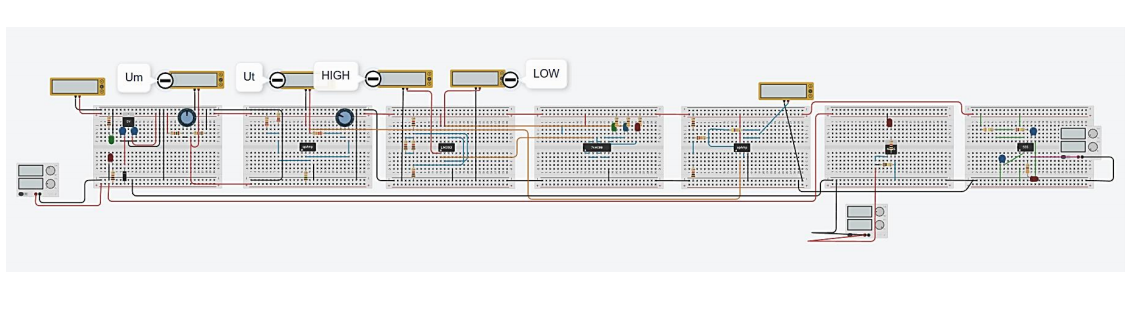
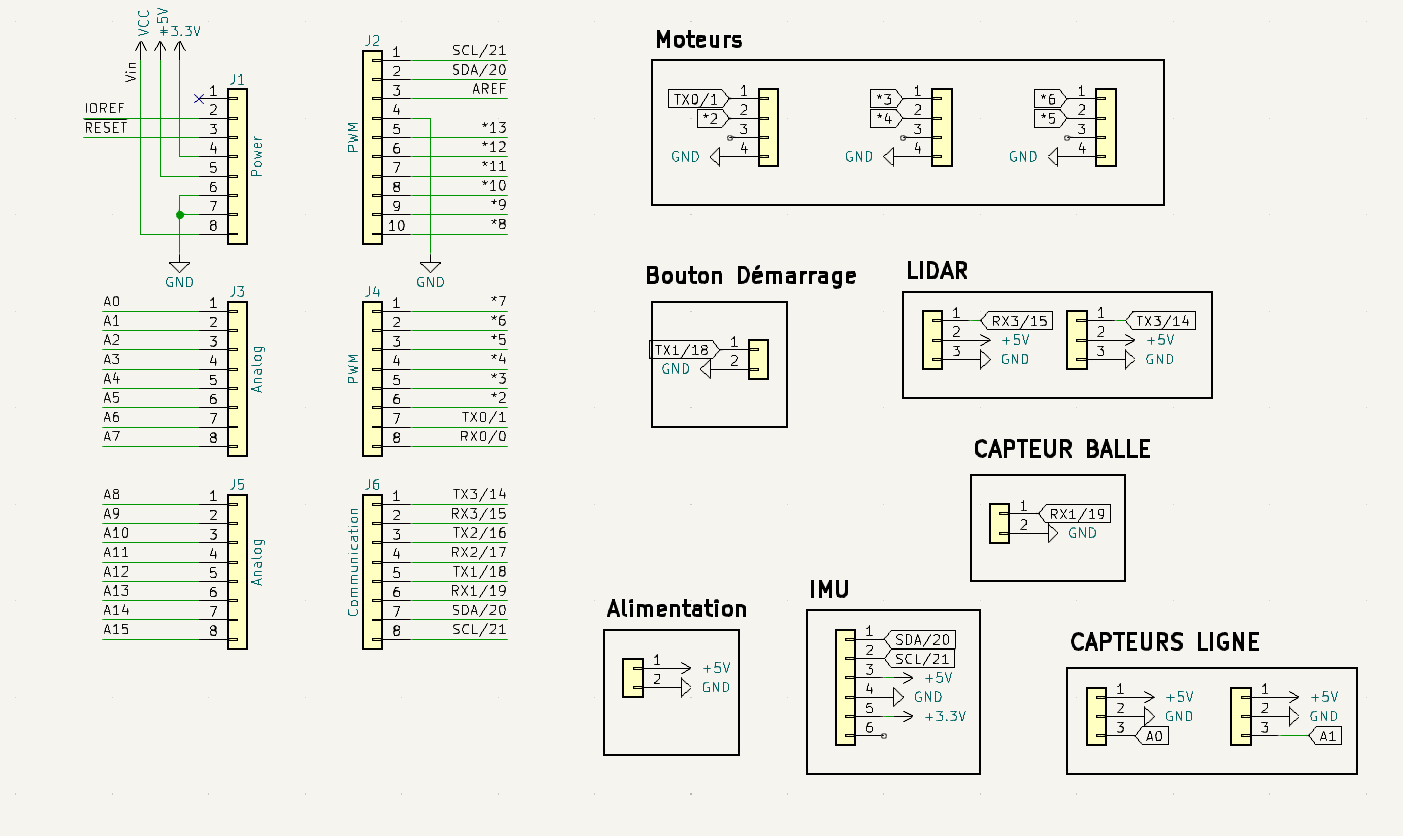
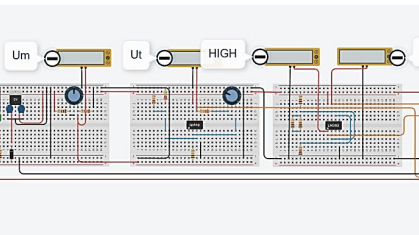
In the course of the year, I took four main subjects that were central to my learning: Electronics, Computer Science, Automation, and Energy. In Electronics, I deepened my understanding of electrical circuits and the fundamental laws that govern them, such as Kirchhoff's laws. I also explored diode circuits and operational amplifiers, learning to design and analyze these systems. The hands-on experience extended to the use of function generators and oscilloscopes for signal analysis. We also studied transient and steady-state regimes, functional schematics, and filters. Each of these concepts came to life through practical work, which included building circuits and analyzing their behavior.
Computer Science: Programming and Systems Control
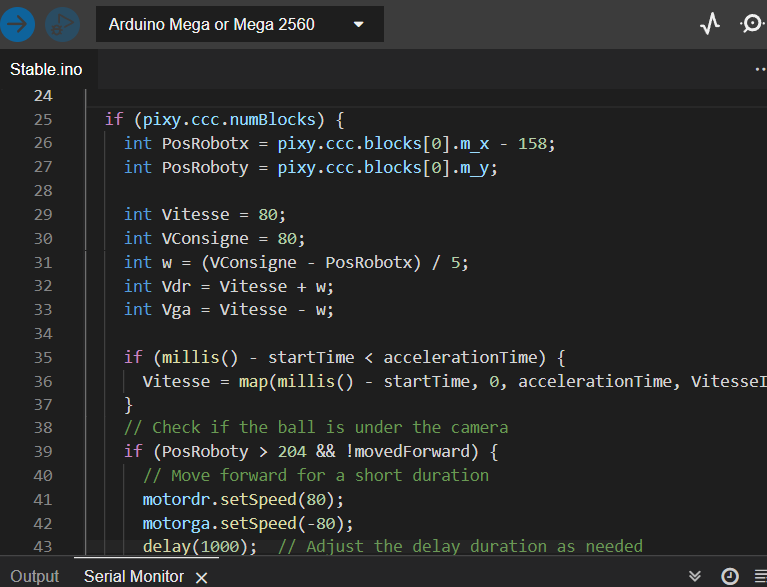
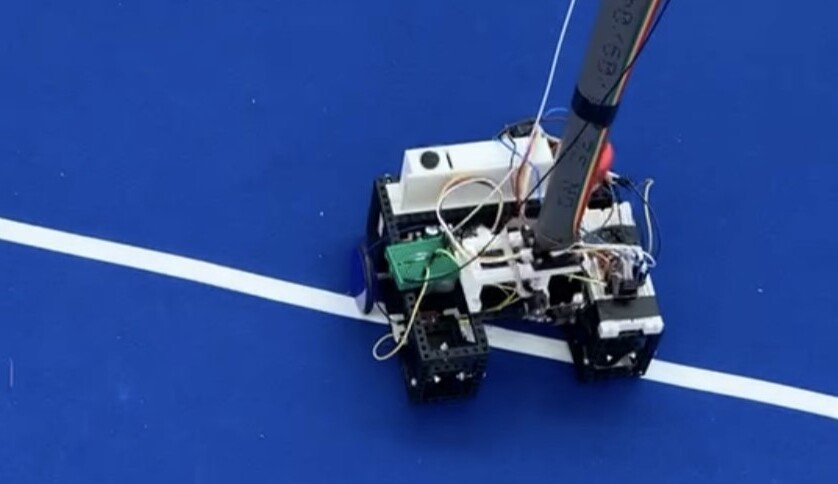
In Computer Science, I studied C++ programming, focusing on the basics such as input/output, string manipulation, structures, and arrays. We worked on practical projects like creating a keypad-based digicode and explored more advanced topics like Analog-to-Digital Converters (ADC) and Pulse Width Modulation (PWM), which are essential for controlling devices in embedded systems. A major part of the course involved using peripherals like I2C (Inter-Integrated Circuit) components and learning how to communicate between microcontrollers and external devices. I also gained experience in controlling DC motors and managing the speed and position of these motors using I2C.
Automation and Energy: Control and Power Systems
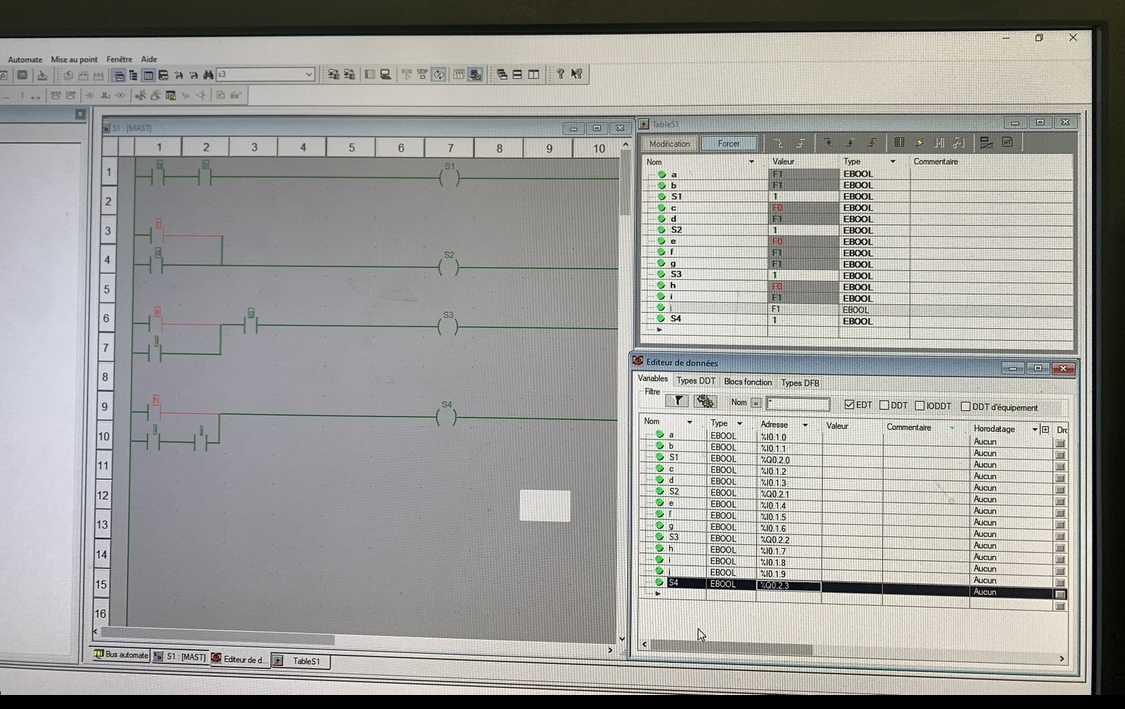
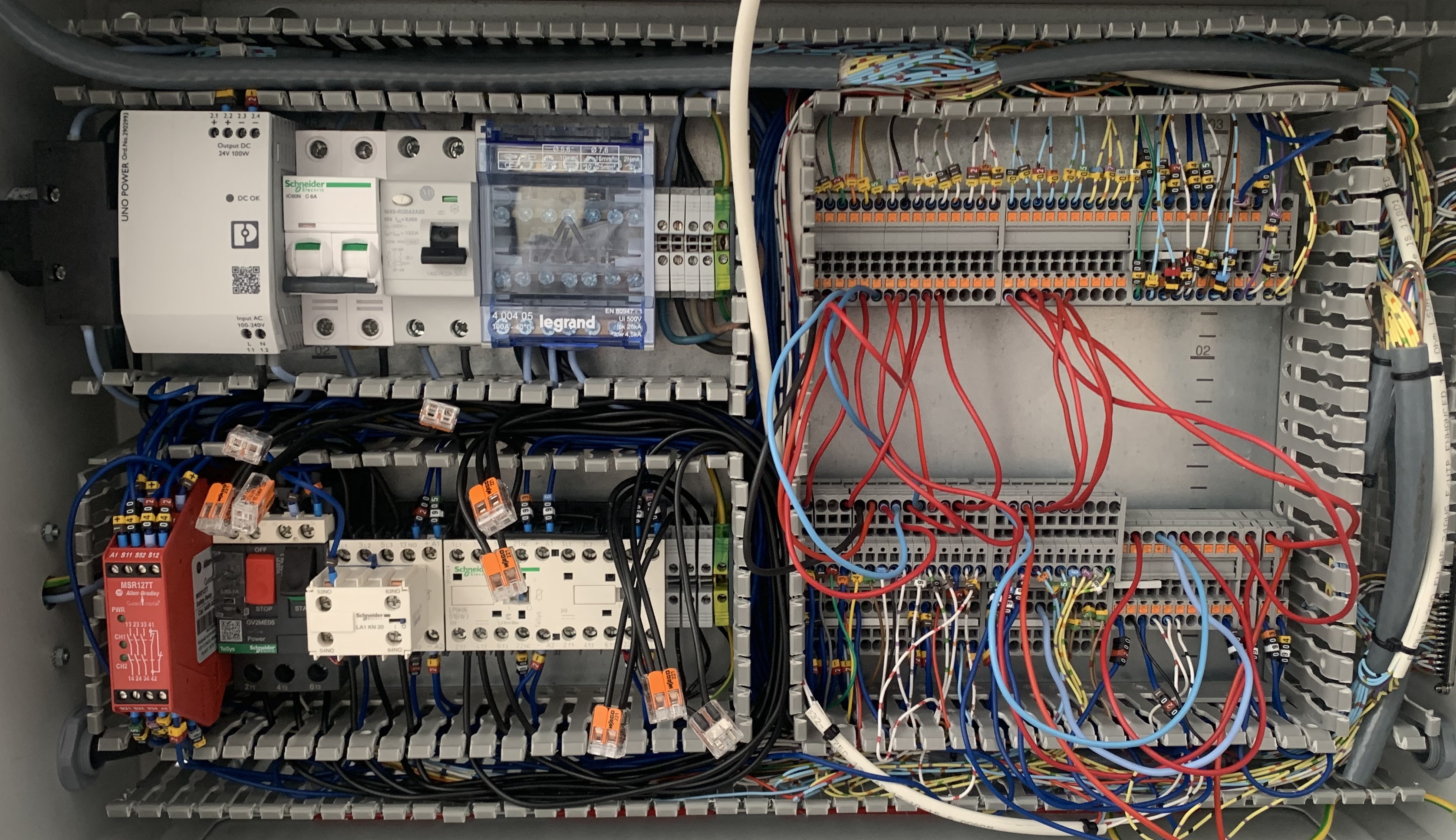
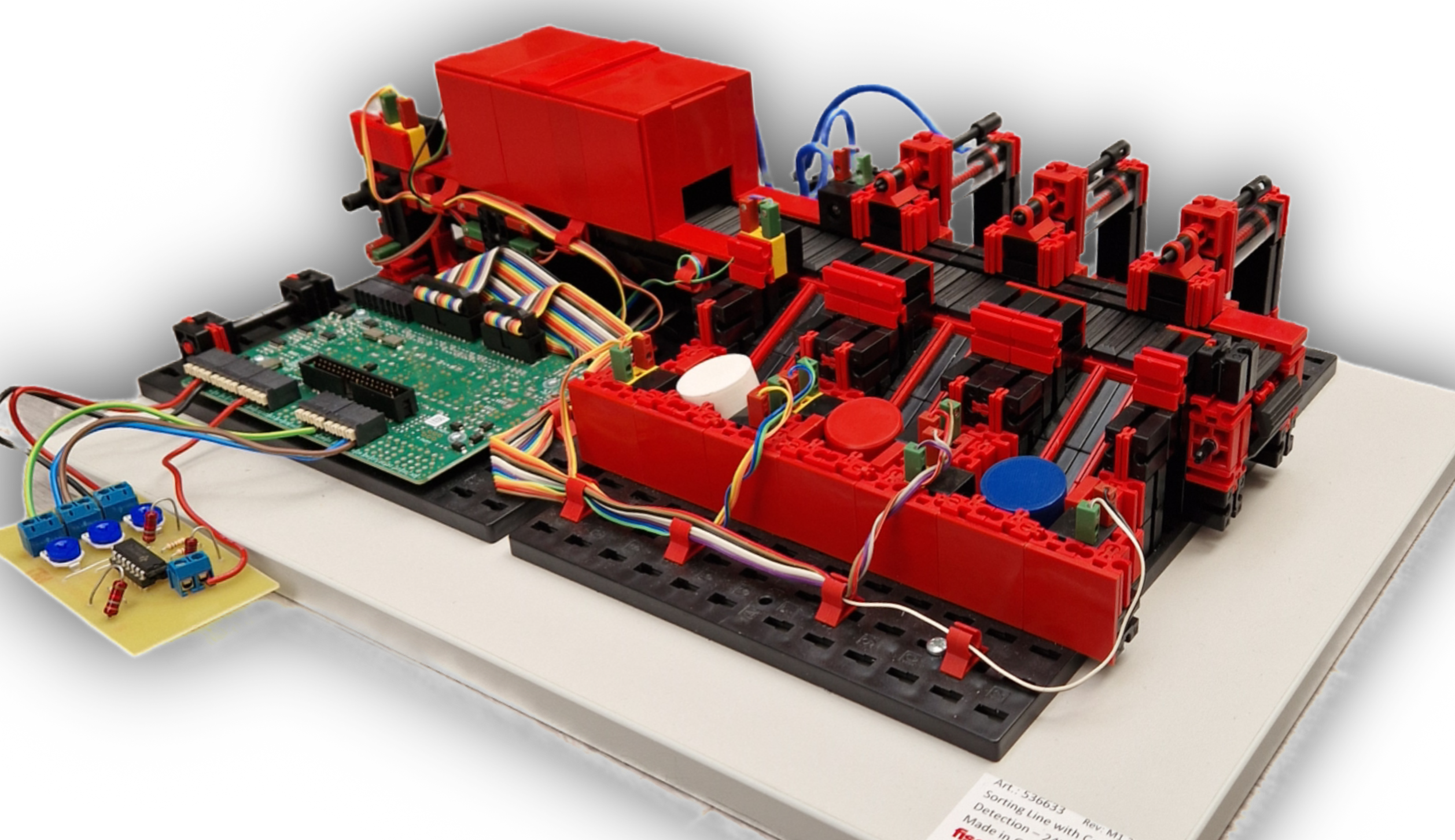
Automation was another key area of study, where we learned about combinatory logic, including basic operations such as AND, OR, and NOT. I got hands-on experience with programmable logic controllers (PLCs) such as the TWIDO, learning to program them for machine control applications. We also explored the Grafcet system, a graphical tool used to model and specify automated systems. This course equipped me with practical skills in controlling electromechanical systems and pneumatic devices, making automation one of the most engaging subjects for me.
Lastly, in Energy, we focused on electrical quantities like voltage, current, and power, as well as how to measure them. I learned about low-voltage installations and their importance in commercial buildings. We delved into DC machines, understanding their characteristics and applications. One of the highlights was learning about safety protocols, such as grounding systems and differential protection. We practiced using software like Schemaplic to simulate electrical systems, which gave me a solid understanding of both theoretical and practical aspects of electrical engineering.
Looking back on my first year, I can confidently say that the BUT GEII program has equipped me with a strong foundation in both theoretical knowledge and practical skills. The hands-on approach allowed me to directly apply what I was learning, from programming microcontrollers to designing circuits. It was a challenging year, but one that solidified my passion for electronics and industrial computing. I am excited to continue building on these skills in the coming years, as there is still so much more to explore in this ever-evolving field.